
Towels
A luxury towel is felt the moment you step out of the shower. The right combination of fibre, weave, and weight makes every use genuinely pleasurable — and a well-made towel only improves with washing over time.
At Sleep Gallery, we carry premium towels from four exceptional brands. Abyss & Habidecor bring Portuguese craftsmanship and an extraordinary colour range. Feiler offer legendary Chenille weave towels from Germany. Uchino represent the finest of Japanese textile tradition. Weseta deliver Swiss precision and lasting softness. The 36 products shown here are a selection — a wider range of sizes, colours, and textures is available in our showroom at 24 Irakli Abashidze, Vake.
Showing 1–16 of 36 results
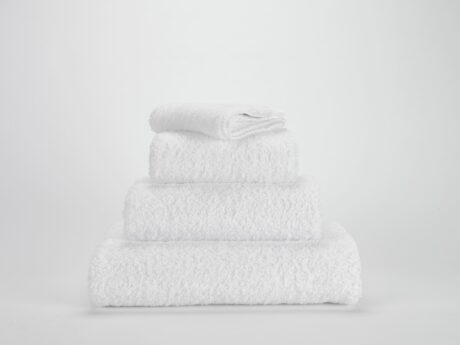
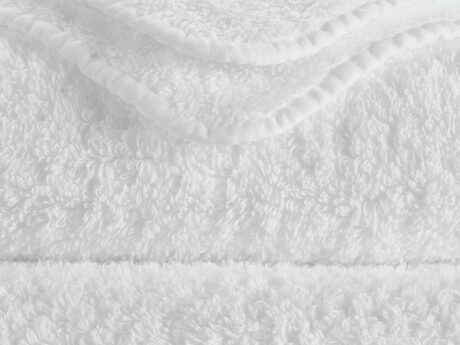
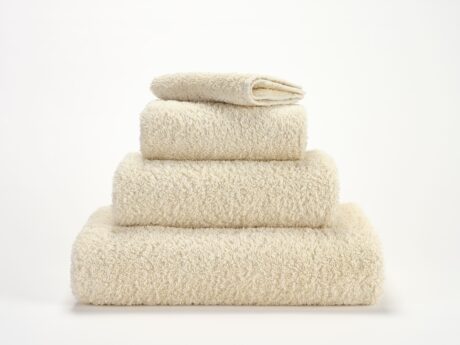
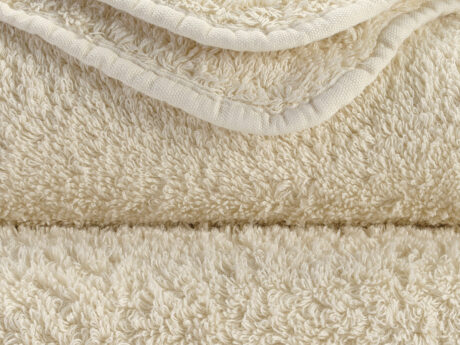
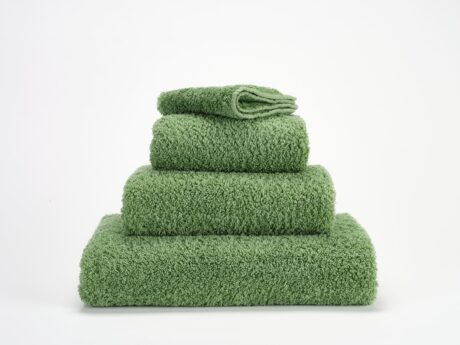
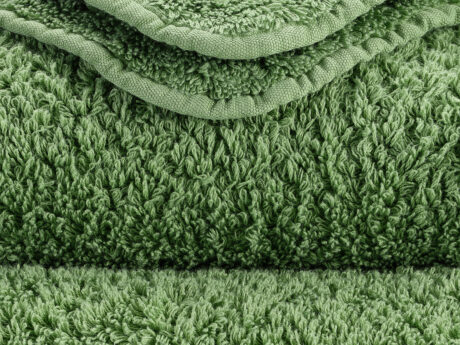
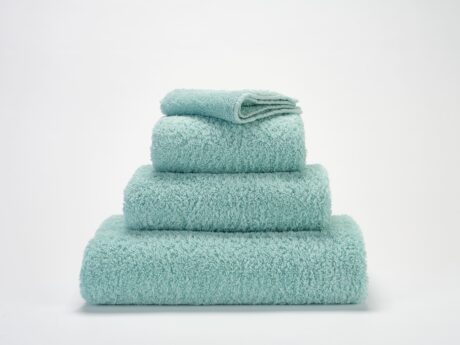
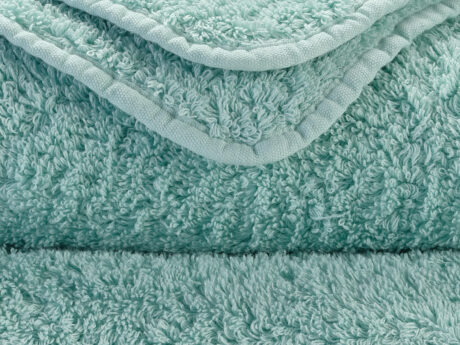
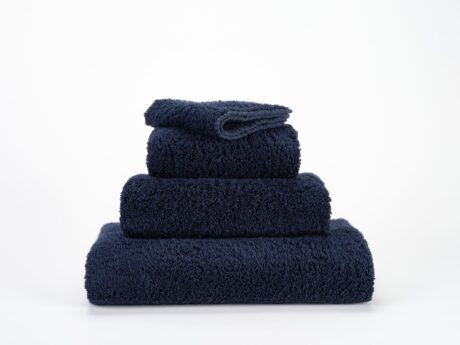
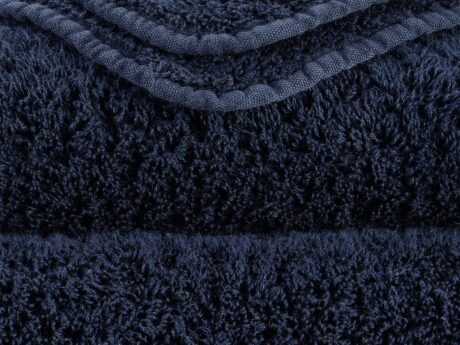
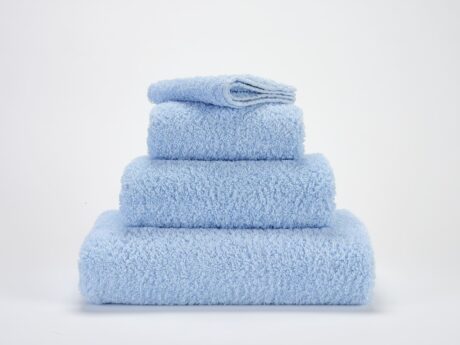
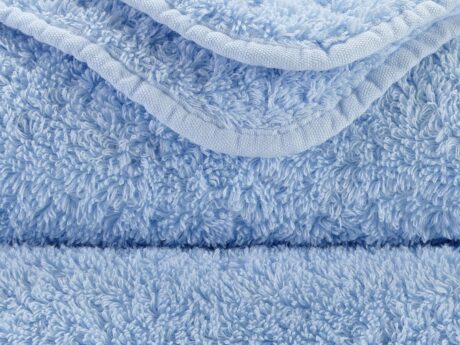
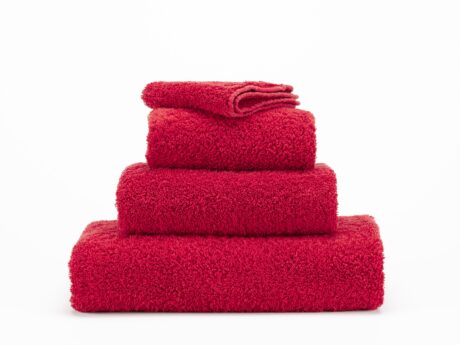
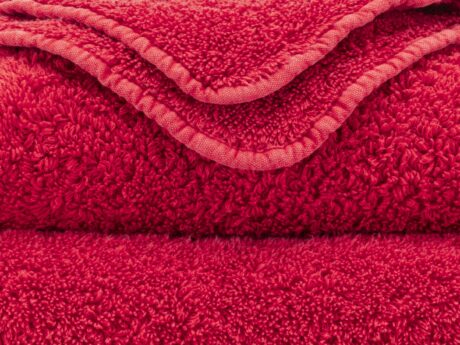
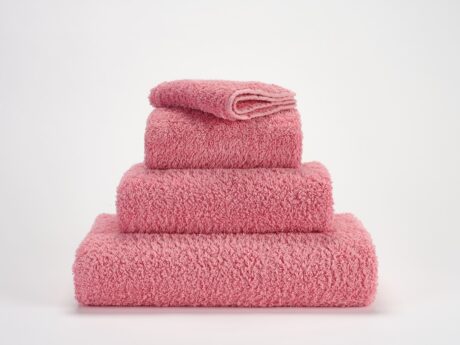
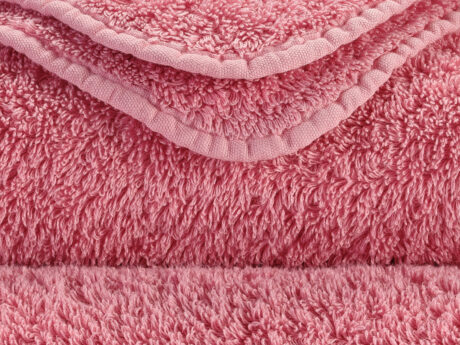
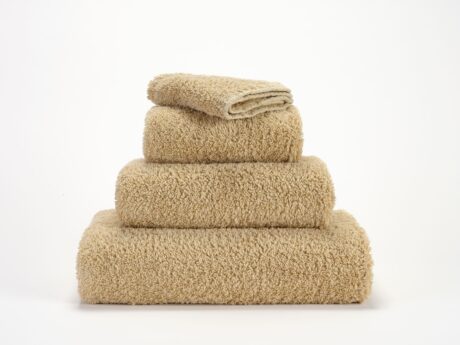
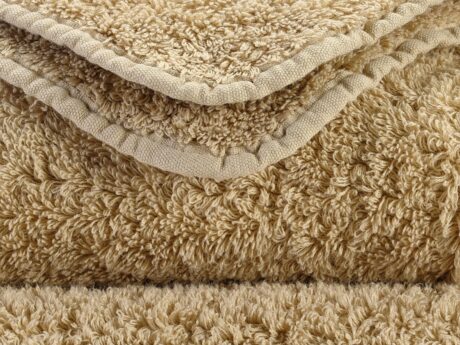
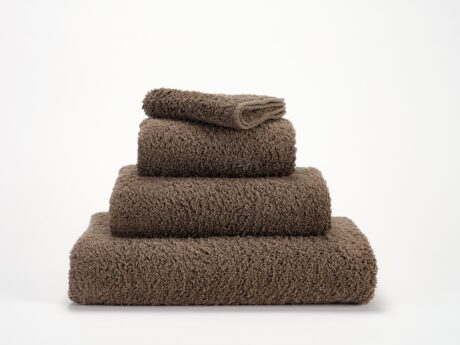
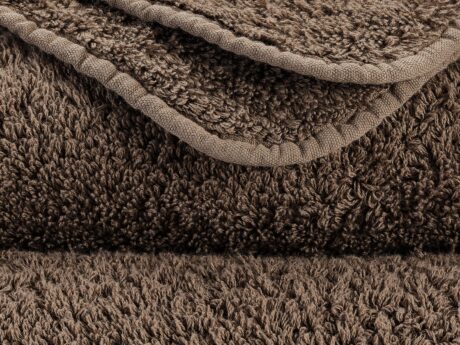
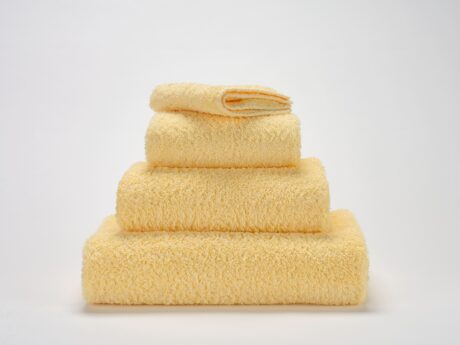
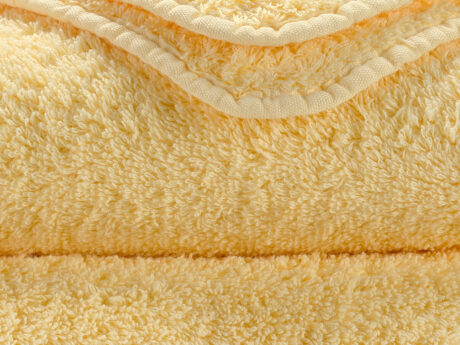
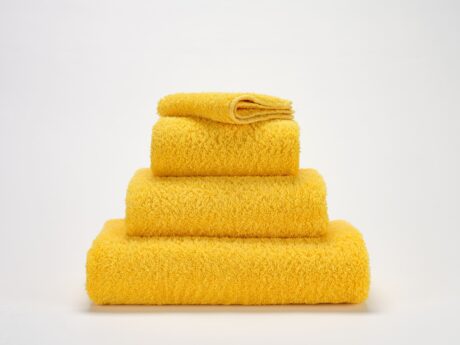
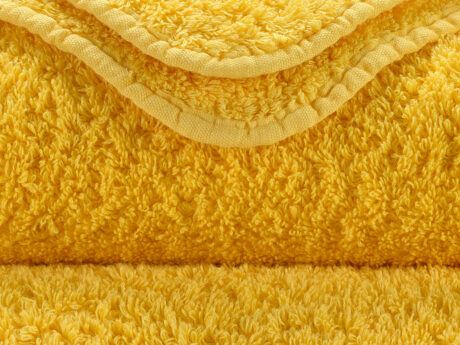
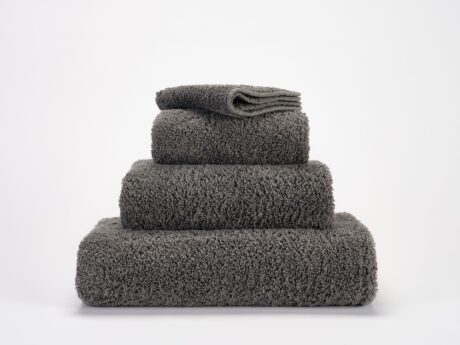
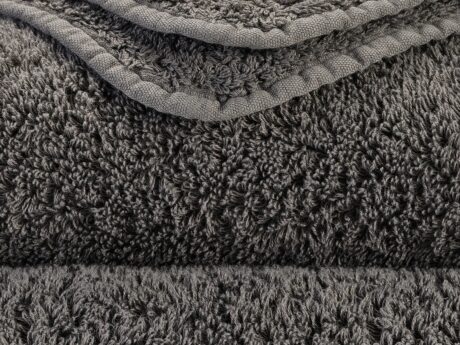
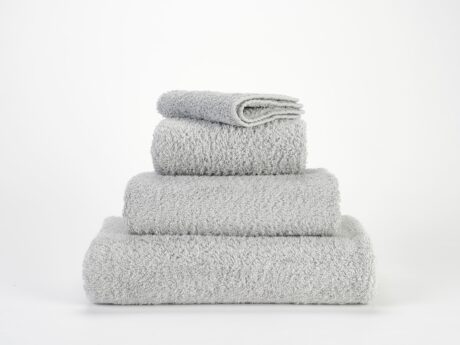
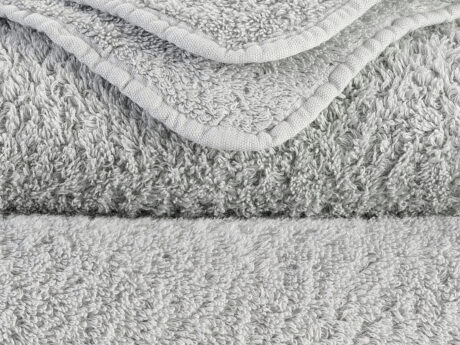
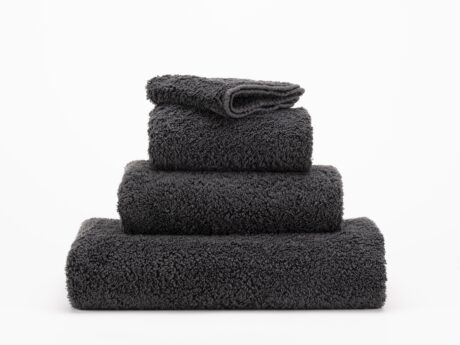
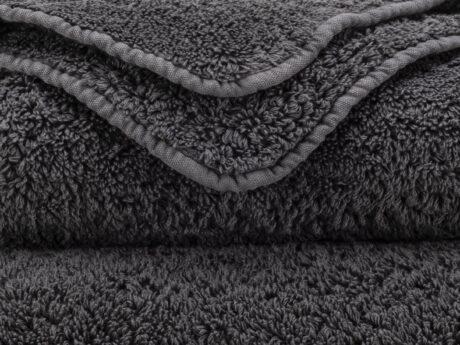
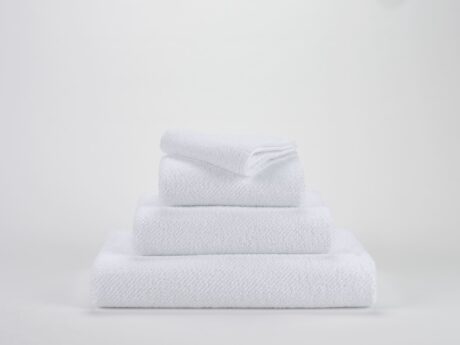
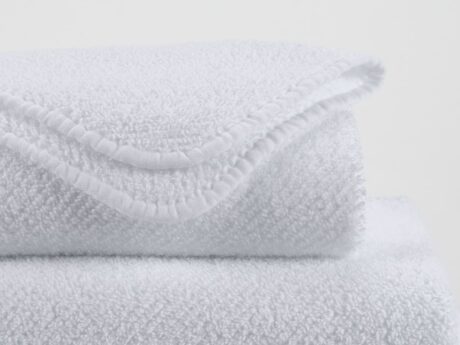
Premium Towels — Five Manufacturers, Five Different Approaches to Cotton and Weave
A towel’s quality is determined by three things: the cotton it is made from, the way that cotton is woven, and how consistently both are maintained across repeated washing. All three vary significantly across manufacturers — and the difference between a towel that holds its softness for a decade and one that deteriorates after ten washes is almost entirely a function of these choices.
Sleep Gallery at 24 Irakli Abashidze Street, Tbilisi, carries premium towels from five European and Japanese manufacturers: Abyss & Habidecor from Portugal, Feiler from Germany, Uchino from Japan, Weseta from Switzerland, and Christian Fischbacher from Switzerland. The selection displayed online represents a portion of what is available — the complete range of collections, colours, and sizes across all five brands is in the Vake showroom.
Abyss & Habidecor — Egyptian Giza Cotton, Viseu, Portugal
Abyss & Habidecor has been producing luxury bath linen for over 40 years in the Viseu region of northern Portugal, under the direction of founder Celso de Lemos. The brand’s defining characteristic is its exclusive use of Egyptian Giza Extra Long Staple cotton — widely recognised as the finest cotton in the world — across all three weaving directions: weft, warp, and pile. Most premium towel manufacturers use Giza cotton only in the pile; Abyss uses it throughout the entire structure. Abyss & Habidecor towels are a standard specification item for high-end hotels, yachts, and residential interior designers worldwide.
Feiler — The Only Surviving Chenille Weaver in Europe
Feiler was founded in 1928 by Ernst Feiler in Hohenberg, Germany — a small town on the edge of the Vogtland region near the Czech border. When the European textile recession of the late 20th century eliminated every other chenille manufacturer on the continent, Feiler invested in technology that allowed it to survive as the sole remaining chenille weaver in Europe. That position is still theirs.
Feiler’s signature product is double-sided, identically patterned chenille woven from 100% pure cotton — a material that is velvety to the touch, highly absorbent, and becomes softer with each wash rather than rougher. Unlike standard terry, chenille retains its colour depth and pattern precision across years of use.
Uchino — Japanese Precision Weaving, Imabari
Uchino was founded in 1937 and is based in the Imabari region of Japan — the country’s most concentrated centre of towel production, with quality standards regarded globally as among the most rigorous in the industry. Uchino’s philosophy centres on lightness and softness achieved through yarn fineness rather than pile density. Their signature Blissful Towel uses 100-count yarn — approximately one fifth the thickness of standard towel yarn — woven with a patented ZeroTwist technique that prevents the yarn from being compressed by twisting, preserving the cotton’s natural softness.
Uchino’s towels are dramatically lighter than conventional terry towels at the same absorbency level, and they don’t shed lint or degrade after repeated washing. In 1956, Uchino introduced the world’s first printed towels, and subsequently produced licensed collections for Yves Saint Laurent, Givenchy, and Hermès. All Uchino products carry both the Imabari certification and OEKO-TEX Standard 100.
Weseta — The Only Terry Weaving Mill in Switzerland, Since 1864
Weseta was founded in 1864 in Engi, in the Sernftal valley deep within the Canton of Glarus in the Swiss Alps — and remains, over 160 years later, the only terry weaving mill in Switzerland. The brand’s unique weaving technique inserts terry loops with minimal twist into the base fabric, creating a softness that no standard high-twist terry construction can replicate.
Different collections express different material philosophies: Dreamflor at 420 g/m² is feather-light with an incomparably velvety feel that holds across many washes; Dream Royal — described by Weseta as the softest terry towel in the world — is made to be touched before a purchase decision is made rather than judged from a description; Puro at 600 g/m² takes the opposite direction, with no borders or trimmings and a voluminous, dense weight suited to those who prefer rubbing dry.
Christian Fischbacher — Swiss Luxury Terry, St. Gallen
Christian Fischbacher has been producing luxury home textiles in St. Gallen, Switzerland since 1819 — six generations of the same family. The brand’s terry collection carries the same commitment to material quality as its bed linen: Pima extra-long staple cotton, in-house atelier design, and the same lifetime guarantee on manufacturing defects that applies across the Fischbacher range. For those who want to coordinate towels and bed linen within a single design language — matching colours, complementary patterns, consistent material weight — Christian Fischbacher is the natural starting point.
The Complete Range
Sleep Gallery carries a broad selection of colours and sizes across all five brands — including hand towels, bath towels, bath sheets, and guest towels. The full range of collections, colourways, and sizes available for all brands is in person at the Vake showroom at 24 Irakli Abashidze Street. Free delivery is available across Tbilisi for all purchases.
Frequently Asked Questions
Q: Where can I buy premium towels in Tbilisi?
Sleep Gallery at 24 Irakli Abashidze Street, Vake, Tbilisi carries premium towels from Abyss & Habidecor, Feiler, Uchino, Weseta, and Christian Fischbacher. The online listing represents a selection — the complete range of collections, colours, and sizes across all five brands is available in the showroom in person. Free delivery across Tbilisi for all purchases.
Q: What is the difference between terry and chenille towels?
Terry is the standard towel construction — looped cotton pile raised from a woven base, creating the familiar textured surface. It is highly absorbent and durable. Chenille is an entirely different material: cotton yarns are woven into a fabric, cut into thin strips, twisted, and woven again. The resulting surface is velvety and extremely soft — closer in feel to velvet than to conventional terry. Feiler is the only manufacturer in Europe that still produces genuine colour-woven chenille. The two materials absorb differently: terry is efficient for quick absorption and rubbing dry, while chenille is gentler and more enveloping.
Q: What makes Egyptian Giza cotton the best for towels?
Egyptian Giza Extra Long Staple cotton produces fibres significantly longer than standard cotton — sometimes over 40mm compared to 25mm for standard cotton. Longer fibres can be spun into finer, stronger yarns that create a pile surface that is softer, less prone to shedding lint, and more durable across repeated washing. Abyss & Habidecor is unique in using Giza ELS cotton across all three weaving directions — weft, warp, and pile — rather than only in the pile, which is the more common (and less expensive) approach.
Q: What does GSM mean for towels and what weight is right?
GSM stands for grams per square metre — the weight of the fabric, which is a proxy for pile density and therefore absorbency and drying feel. Lighter towels (300–450 GSM) dry quickly, feel less heavy, and are better suited to warm climates or quick-dry preferences. Heavier towels (550–700 GSM) feel more luxurious and plush but take longer to dry. Weseta’s Dreamflor at 420 g/m² achieves a premium feel at a light weight through weaving technique rather than density. Weseta’s Puro at 600 g/m² is for those who want maximum volume and depth.
Q: Why are Uchino towels lighter than standard towels but still absorbent?
Uchino’s lightness comes from yarn fineness rather than reduced pile. Their Blissful Towel uses 100-count yarn — roughly one fifth the thickness of standard towel yarn — woven with a patented ZeroTwist technique that keeps the cotton fibre uncompressed. Thin, untwisted fibres have more surface area exposed to water contact than thicker twisted fibres, which is why the towel absorbs efficiently at lower weight. The result is a towel that dries quickly, feels lighter in the hand, and does not shed lint — particularly suited to anyone who finds conventional bath towels too heavy or slow to dry.
Q: Is it worth spending more on a premium towel?
The argument for premium towels is durability rather than initial softness. Standard supermarket towels can feel soft when new but typically degrade significantly within 30–50 washes. A well-constructed towel using long-staple cotton — like those from Abyss & Habidecor, Weseta, or Uchino — maintains its absorbency, softness, and structural integrity across hundreds of washes. The cost-per-use over a 10-year lifespan of a premium towel is often comparable to or lower than replacing budget towels every two to three years, while the daily experience is qualitatively different throughout.
Q: Can I coordinate towels with bed linen at Sleep Gallery?
Yes — Christian Fischbacher produces both bed linen and towels, so colour coordination within a single design system is straightforward. Weseta has historically collaborated with Christian Fischbacher on terry production, so the material DNA connects across both brands. At the Vake showroom, consultants can help build a coordinated bedroom and bathroom selection across the full range of brands carried.