
Winter Duvets
A winter duvet should provide genuine warmth without excessive weight. The best winter duvets are warm enough for the coldest nights while using
high-quality fills that achieve this without the bulk of cheaper alternatives. Down remains the benchmark for warmth-to-weight ratio, while camel hair offers natural temperature regulation for those who sleep warm even in winter.
Sleep Gallery carries winter duvets from premium European brands, selected for fill power, cover quality and long-term durability. Visit our showroom at 24 Irakli Abashidze Street, Tbilisi to find the right warmth level for your bedroom.
Showing all 4 results
-
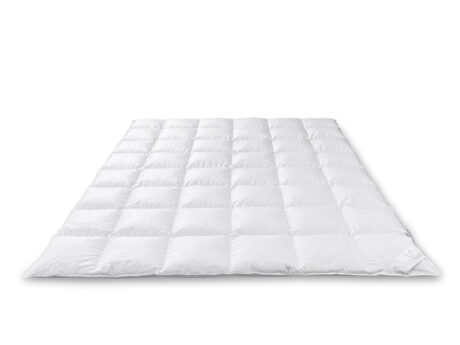
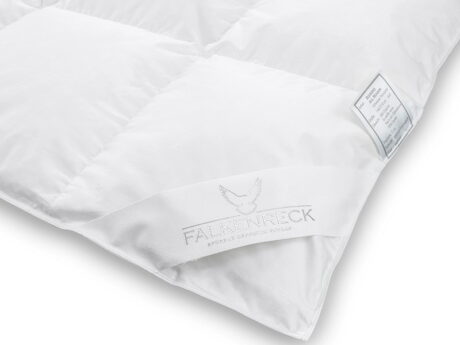
Falkenreck Jade All Season Duvet
Price range: 2491,00 ₾ through 4344,00 ₾ -
Traumina N1 Luxury Camel Hair Duvet WK3
Price range: 2772,00 ₾ through 4906,00 ₾ -
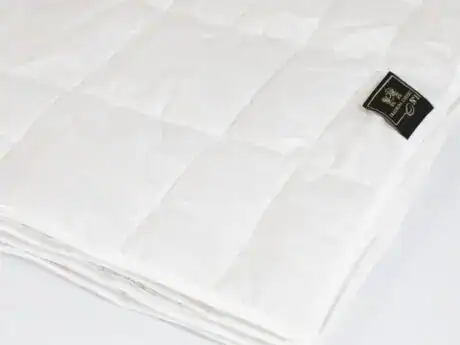
Winter Duvet Traumina Cube Camel WK3
Price range: 1367,00 ₾ through 2481,00 ₾



A Rare Fill for Tbilisi Winters
Camel hair has been used as a sleep material for centuries, and for good reason. Camels live in environments of extreme temperature swings — scorching days and freezing nights. Their undercoat evolved to handle both. That same biological engineering translates directly into bedding: a duvet that traps warmth when the room is cold and releases excess heat before you overheat. For Tbilisi winters, where temperatures drop sharply but rarely reach the extremes of northern climates, a WK3 camel hair duvet is one of the most balanced choices available.
Sleep Gallery stocks two winter duvets, both made by Traumina — a German bedding manufacturer with over a century of experience in natural hair fills. They share the same core material but represent very different tiers of that material.
What Makes Camel Hair Special
Most premium fills — down, wool, cashmere — are well known. Camel hair is rarer, and its properties are less widely understood. The fill used in Traumina’s winter duvets comes from the soft undercoat of camels living on the high plateaus of Inner Asia, at altitudes where temperature fluctuation is a daily reality. The animals shed this undercoat naturally each year, so the hair is collected rather than harvested. It arrives completely natural, sorted and biologically processed without chemical treatment.
The fibre itself is lightweight and highly lofty, meaning it traps a large volume of warm air relative to its weight. It also has strong moisture-wicking properties — it draws perspiration away from the body and disperses it, keeping the sleep surface dry throughout the night. Unlike synthetic fills, camel hair responds dynamically to body temperature rather than simply insulating at a fixed level. The result is a duvet that feels warm without feeling heavy, and comfortable without overheating.
Two Models, One Material
The Winter Duvet Traumina Cube Camel WK3 is Traumina’s classic entry into camel hair bedding. The fill is pure camel hair, super-degreased for a clean, lightweight feel. The cover is 100% cotton with CL quilting and a double edge roll, which keeps the fill evenly distributed across the duvet surface. It is made in Germany in manufactory conditions — meaning small-batch production with close quality oversight rather than industrial scale. For a buyer new to camel hair, this is the natural starting point.
The Traumina N1 Luxury Camel Hair Duvet WK3 is a significant step above. The N1 Luxury uses natural white camel hair — a rarer grade sourced specifically from camels living at up to 4,000 metres elevation in the Mongolian highlands. These animals produce only around 300 grams of usable underhair per year, and the fineness of the fibre is close to that of cashmere. The hair is 40 to 90mm long, unusually fine, and carries a natural lustre. In practical terms, this means a duvet that feels softer against the skin, lofts more generously, and provides the same warmth at an even lighter weight. If you have slept under a good down duvet and want something with greater thermoregulatory intelligence, the N1 Luxury is the comparison to make.
WK3 and Tbilisi Winters
The WK3 warmth rating indicates normal heat requirement — suited to normally tempered bedrooms and the cooler half of the year. In practice this covers Tbilisi’s winter conditions well. January temperatures in Tbilisi average around 2–3°C, with indoor heating bringing bedroom temperatures to a comfortable sleeping range. A WK3 duvet provides the right level of insulation without the risk of overheating that comes with heavier WK4 or WK5 ratings designed for colder northern climates. If you sleep cold by nature or keep your bedroom at a lower temperature, layering with a lighter blanket is always an option.
Care
Both Traumina camel hair duvets are dry clean only. Camel hair is a natural protein fibre and should not be machine washed, as water and agitation degrade the fill structure. Air the duvet regularly — a few hours on a dry day, out of direct sunlight, is sufficient to refresh it between cleans. Store it loosely in a breathable bag during warmer months rather than compressing it, which damages the loft over time.
You can explore the full Traumina range on the Traumina brand page. For a broader look at the duvet range across all fills and warmth ratings, visit our full duvets category.
Frequently Asked Questions
Is camel hair hypoallergenic?
Camel hair is not classified as hypoallergenic in the same way as plant-based or synthetic fills. It is a natural protein fibre, similar to wool or cashmere. Most people tolerate it without issue, but those with known sensitivities to animal fibres should approach it with caution. If you need a confirmed hypoallergenic winter option, our hypoallergenic duvet range uses plant-based fills that are suitable for sensitive sleepers.
How does camel hair compare to down as a winter fill?
Down offers outstanding loft and warmth-to-weight ratio, and is the benchmark for premium bedding. Camel hair competes on different terms: it regulates temperature more actively, wicking moisture away from the body rather than simply insulating. Sleepers who tend to overheat during the night often find camel hair more comfortable than down, even at an equivalent warmth rating. Down remains the softer feel; camel hair offers more dynamic climate control.
What is the difference between the N1 Luxury and the Cube Camel?
Both use 100% camel hair fill and carry the WK3 warmth rating. The difference is in the grade of the hair. The Cube uses standard camel hair — high quality by any measure, but sourced from the broader camel hair supply. The N1 Luxury uses natural white camel hair from Mongolian highland camels, which yield only around 300 grams per animal per year. This hair is finer, lighter, and rarer — closer in character to cashmere than to standard camel hair. The N1 Luxury is softer to the touch, lofts more generously, and carries a premium price that reflects the scarcity of the raw material.
Why are camel hair duvets more expensive than synthetic winter duvets?
Camel hair is a natural, animal-derived fibre with a limited annual supply. The collection, sorting, and processing of the raw material is labour-intensive, and the finest grades — like the N1 Luxury — come from a very small pool of animals producing very small quantities per year. Traumina also manufactures in Germany in small batches with close quality control, which adds to the cost. A camel hair duvet is a long-term investment: with proper care it will maintain its loft and thermoregulatory properties for many years, which a synthetic duvet at a lower price point will not.